QUEEN ELIZABETH NATIONAL PARK INFORMATION
PARK HOURS
Queen Elizabeth National Park opens at 7:00 am and closes at 7:00 pm
UGANDA WILDLIFE AUTHORITY CONSERVATION TARIFFS
Ugandan Wildlife Authority Conservation Tarrif – July 2024 to June 2026.
ABOUT QUEEN ELIZABETH NATIONAL PARK
Queen Elizabeth National Park is located in western Uganda. The 1,978 km² protected area is rich in biodiversity and home for over 95 species of mammals, more than any other park in Uganda. The park also boasts a prolific number of bird species, 612 in total. Queen Elizabeth lies on the floor of Africa’s Western Rift Valley and stretches from the base of the towering Rwenzori Mountains in the north to the Ishasha River in the south and is bordered on the west by the Democratic Republic of Congo and the Virunga Mountains. The proximity of Queen Elizabeth National Park to the Bwindi Impenetrable Forest National Park and Kibale National Park makes it an ideal stopover in between trekking Uganda’s primates. Queen Elizabeth National Park is also a convenient weekend away spot from Kampala and Kigali. Queen Elizabeth National Park is truly unrivaled in beauty and has so much to offer its visitors.
WILDLIFE
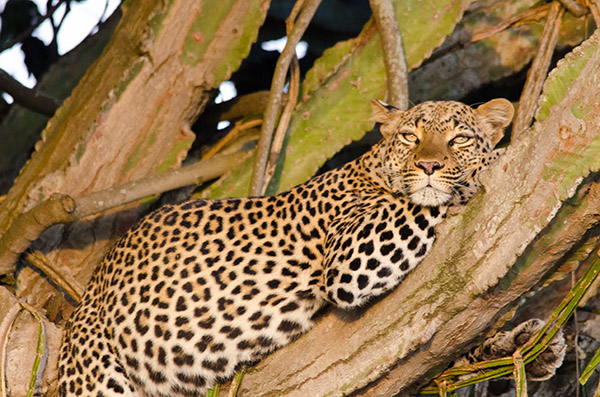
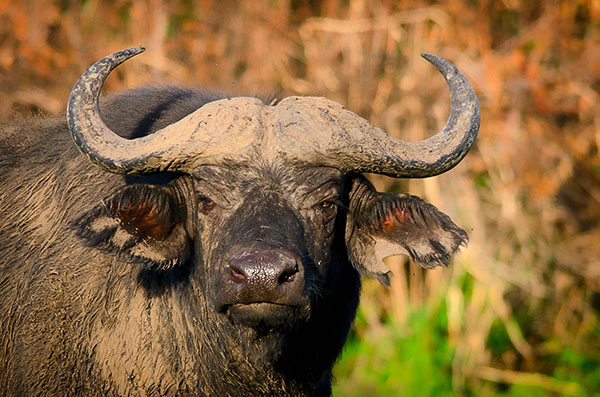
Queen Elizabeth National Park has various habitats, which consist of into five regions; grassland, bushy grassland, forest, Acacia woodland and Lakeshore swamp. These habitats support over 95 different species of mammals, which is more than any other park in Uganda. The most common mammals that you can expect to see on your safari are Waterbuck, Buffalo, Uganda Kob, Hippopotamus, Elephant and Warthog. The most sought after species are generally the most difficult to find, lion and leopard. Although lions are seen regularly, you’ll need a bit more good fortune to see a leopard. Leopards are shy, secretive animals that camouflage well, but don’t be discouraged because on safari, you never know what you’ll see around the next bend..
BIRDS
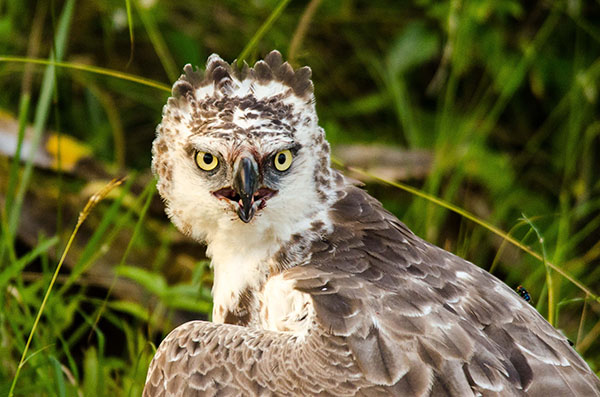
Many people visit Queen Elizabeth National Park specifically for the birds. Not a lot of places can boast a species list this long. Having 612 species, it is the largest of any protected area in East Africa. As infrastructure in the country has improved, Uganda has earned a well deserved reputation as a birding hotspot with plenty of qualified guides. Enthusiastic birders come from all over the world for their chance to see the elusive Shoebill as well as the prolific variety of water birds along the Kazinga Channel. Some key species in Queen Elizabeth National Park include the Martial Eagle, Black-rumped Buttonquail, African Skimmer, Chapin’s Flycatcher, Pink Backed Pelican, African Broadbill, Verreaux’s Eagle Owl, Black Bee-eater, White-tailed Lark, White-winged Warbler, Papyrus Gonolek, Papyrus Canary, Corncrake, Lesser and Greater Flamingo, Shoebill, Bar-tailed Godwit.
EXPLORING QUEEN ELIZABETH NATIONAL PARK
MWEYA PENINSULA
Mweya is located at the western end of the Kazinga Channel where the channel enters Lake Edward. The Uganda Wildlife Authority visitor centre is located on the peninsula, along with Mweya Lodge. It is from this peninsula where the Kazinga Channel boat trips depart. The peninsula is abundant with animals and birdlife and from its elevated position, various points on the peninsula provide excellent views of the Kazinga Channel and Lake Edward.
KASENYI PLAINS
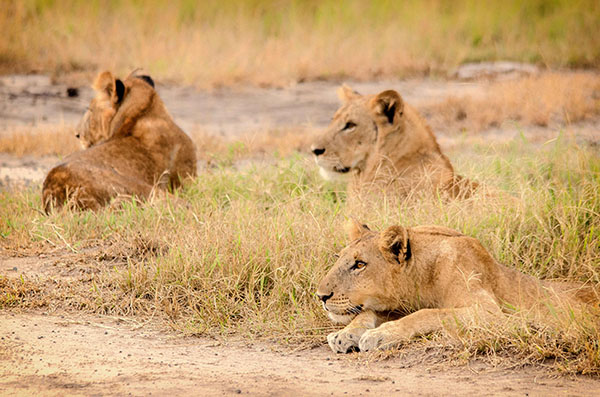
Kasenyi is the area in the park where pretty much every vehicle heads to first thing in the morning. The area that lies east of the Kasese highway is characteristic of its golden colored grass and has the stereotypical look of an African safari with the towering Rwenzori Mountains as a backdrop. Large herds of Uganda Kob graze here and in turn, attracts lions. The Kasenyi plains are home to a couple of Kob leks, these areas also referred to as Kob mating grounds are where male Kob are claiming their territory and battling it out for dominance to mate with females. Dirt tracks wind through the open flat savannah of the Kasenyi plains which is the most popular area in the park to spot lions. It’s best to get an early start as a few hours after sunrise, the lions generally retreat to the shade of the thickets and become a lot more difficult to see.
KAZINGA CHANNEL
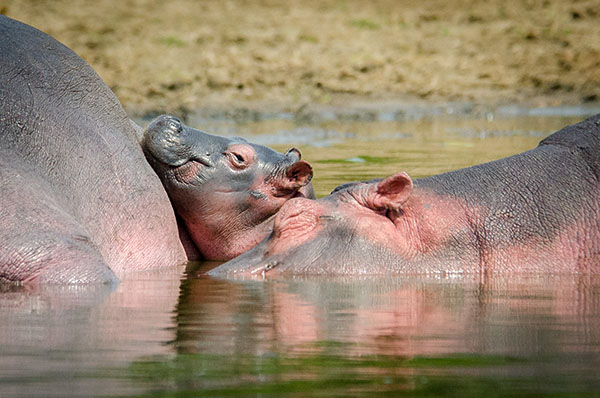
The Kazinga Channel is a wide, slow flowing 32 kilometre long body of water that connects Lake George to Lake Edward. It can be difficult to tell which way the water is flowing as the elevation change from Lake George to Lake Edward is only one metre and therefore the water flows slowly and calmly. The Kazinga Channel is home to one of the largest hippo populations on the planet supporting over 5000 hippos. Crocodiles can also be seen basking on its banks. During the volcanic activity in the region 8000 years ago, fish and crocodile populations were wiped out from the ash, but slowly over time, they have come back to the channel. The channel is where the boat trips take place, a popular activity to do while visiting Queen Elizabeth National Park.
ACTIVITIES IN QUEEN ELIZABETH NATIONAL PARK
GAME VIEWING
By and large, the most popular activity for people when they visit Queen Elizabeth NP is game viewing. There is a network of roads around the Mweya peninsula as well as across the highway in Kasenyi. The Channel Track stretches from the Katunguru Gate to the Mweya Peninsula and runs roughly parallel to the Kazinga Channel. It is a great track to encounter elephant as they cross over the track several times per day in their quest for water. As the track is rather close to the channel, it’s not uncommon to see hippo out of the water in the early hours of the day. Other common mammal species seen along this track are buffalo, warthog, bushbuck and waterbuck. Although not as common, lion and leopard are sometimes spotted along the Channel Track.
In the Kasenyi sector, east of the Kasese highway, a number of small tracks wind through the kob breeding grounds. The major draw in the area is the lions that feed on the Uganda Kob that graze on these open plains. The best time to spot the lions is just after daybreak and just before sunset. During the heat of the day, they are resting near or in the thickets. Pay attention to the shady sides of bushes and for the flicking of a tail or the twitch of an ear. Lions blend in well but are willing to offer a clue periodically to their whereabouts, you just need to recognize it.
EXPLOSION CRATER DRIVE
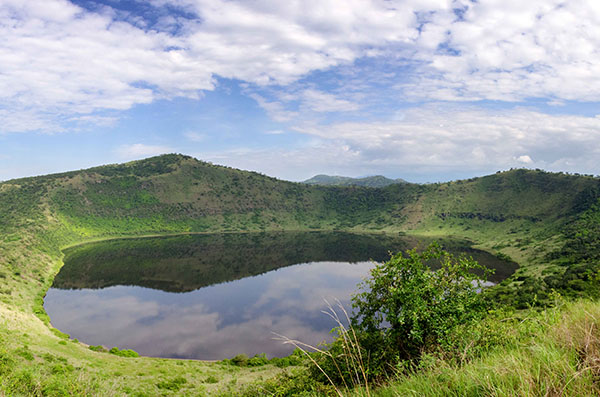
The explosion crater drive is a scenic 27-kilometre route that winds through the extinct explosion craters between the Kabatoro Gate and the Queen’s Pavilion. These craters were formed from volcanic activity which was so violent that instead of creating vent cones, the debris was spread far and wide, leaving massive deep depressions in the earth. The drive is renowned for its scenery and offers varied landscapes in the craters ranging from sprawling grasslands, woodland forests and sulfuric lakes. It’s a good place to take your time, stop and enjoy the breathtaking views and it’s not uncommon to see elephants inside the craters during the rainy season. Although the entire drive is stunning, there are a few highlights. The massive Kyemengo Crater at Baboon Cliffs is by far the largest crater and standing atop the rim is slightly dizzying. It’s really difficult to gauge how far above the crater floor you are and is an amazing sight to behold. Kitagata is a smaller crater with a dark inky blue lake which on a sunny day, you can see the reflection of the sky and fluffy white clouds in the lake. The Crater Drive is one of the gems of Queen Elizabeth National Park.
BOAT TRIPS
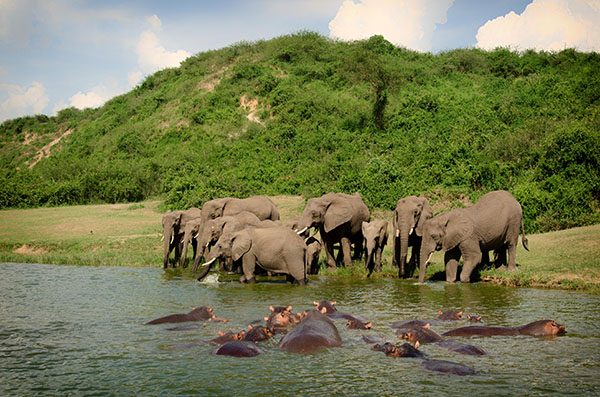
The Kazinga Channel is a wide, slow-flowing 32-kilometre long natural body of water that connects Lake George to Lake Edward. The channel is home to the largest hippo population on the planet supporting over 5000 hippos. Throughout the year, it attracts various species of animals to its shores for water as well as birds and reptiles. A two hour guided boat trip is a great opportunity to get close to Nile crocodiles, hippos, buffaloes, elephants as well as many species of birds.
CHIMPANZEE TRACKING IN KYAMBURA GORGE
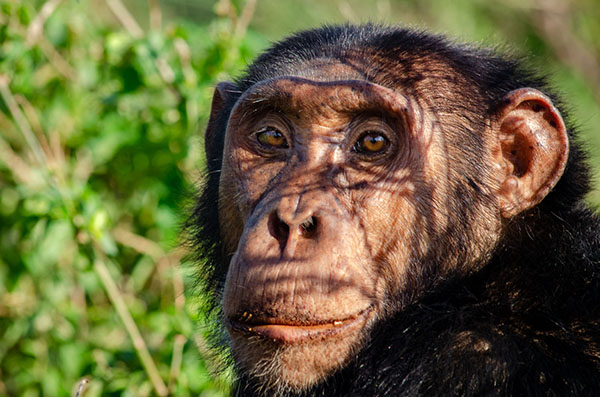
Chimpanzee trekking can be done in the Kyambura Gorge. Chimpanzees are our closest living relatives, sharing more than 98 percent of our genetic makeup. Guided treks take you through the forest looking for signs of chimpanzee activity and once they have been successfully tracked, you have the opportunity to observe them in their natural habitat which can be on the ground or in the trees.
Bookings must be made directly through the Uganda Wildlife Authority.